


What breaks a diet is usually not a lack of knowledge. It is the absence of a ready option when you get home in the evening.
Why do plans break down?
Evening tiredness.
Nothing ready in the fridge.
Shopping not done.
Preparation looking too long.
Among those four the second decides it; where a ready option exists the other three can be overcome.
How does a weekly plan get built?
Seven evening meals get set.
Three or four different main dishes suffice; repetition is not a problem.
A fixed template gets built for breakfast and lunch.
Two days get left flexible.
Planning every day differently is the most common reason a plan gets abandoned in the first week.
| Meal | Plan type | Preparation | Fallback |
|---|---|---|---|
| Breakfast | Fixed template | 5 minutes | Sliced charcuterie |
| Lunch | Prepared the day before | None | Crackers and a can |
| Dinner | Weekly plan | 20-30 minutes | Frozen stock |
| Snack | Fixed | None | Fruit, nuts |
How does the shopping list get produced?
The list gets derived from the plan once it is written.
The store cupboard gets checked.
Freezer contents get noted.
What is missing gets written down.
Derived from a plan, the proportion of what gets bought and actually used rises clearly and waste falls.
How does frozen stock get built?
One protein source.
One group of vegetables.
One bakery item.
One side dish.
With those four ready in the freezer, a meal can be built even on the day the plan breaks.
What does a preparation day achieve?
Two hours get set aside one day a week.
Vegetables get washed and chopped.
Pulses get boiled.
Protein sources get portioned.
Those two hours save twenty minutes on every weekday evening and produce a net gain in time.
How does lunch get solved?
A portion gets set aside from dinner.
Or it gets prepared the day before.
It gets kept in containers that travel.
It goes in a bag in the morning.
Planning lunch the previous evening is the single habit affecting daytime eating most.
Where do frozen poğaça and bakery items fit?
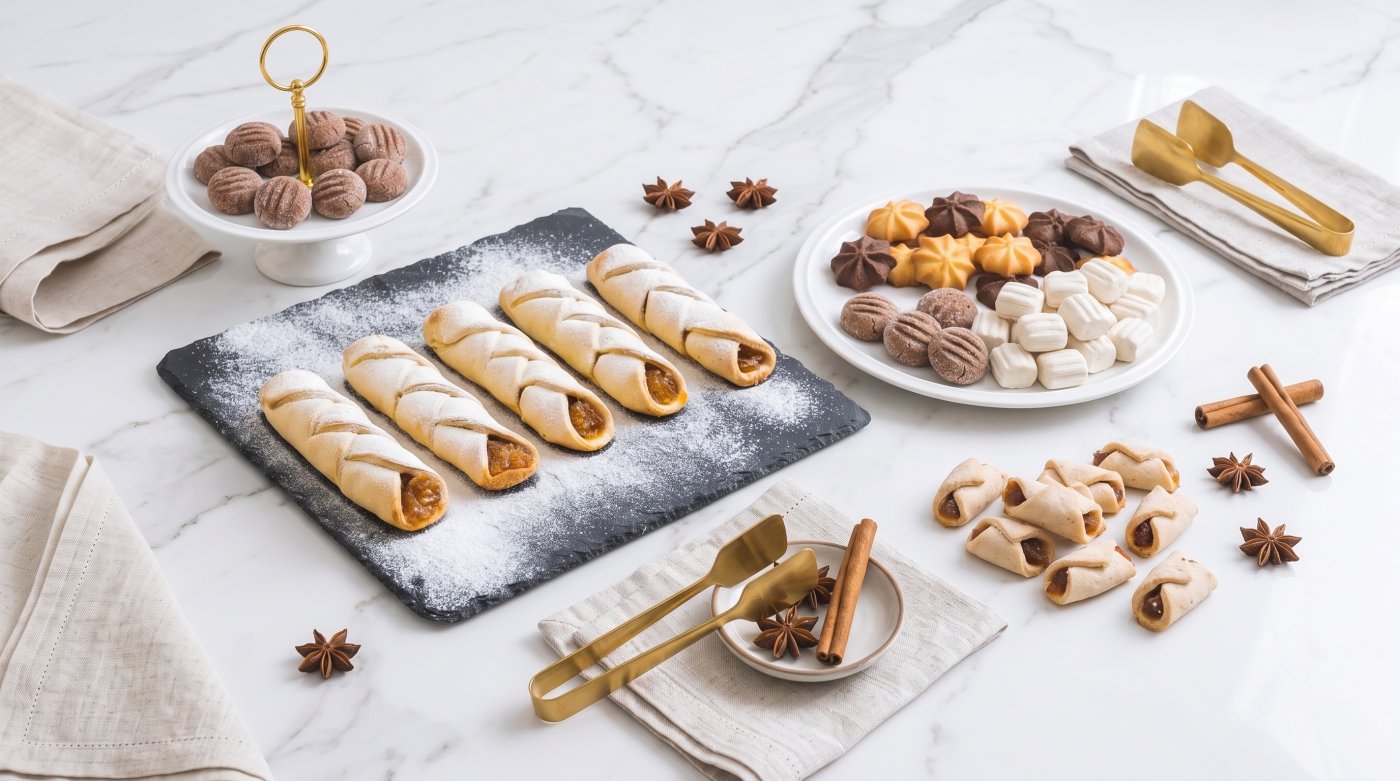
They are a practical option at breakfast and for snacks.
They can be counted by piece.
Only what is needed gets baked.
The rest stays in the freezer.
That line meets the want for something baked or sweet in a controlled way within a planned diet.
How does portion control fit the plan?
The amount per person gets decided beforehand.
Plates arrive served; the pot does not go on the table.
Products counted by piece get preferred.
The decision about a second helping waits five minutes.
Those four are the most practical way to manage portions without counting calories.
What happens when the plan breaks?
The fallback comes into play.
Ordering in gets accepted as an option.
One broken meal does not break the week.
The plan resumes the next day.
A rigid plan gets abandoned entirely once broken; the two flexible days remove that risk.
How long before a plan becomes a habit?
The first week is the hardest.
By the third week the shopping and preparation routine settles.
In the second month writing the plan takes less time.
By the third month the template runs on its own.
Keeping the plan simple through that period produces better results than building a comprehensive one.
How does the freezer get organised?
Categories get separated onto their own shelves.
The freezing date gets written on every item.
First in, first out gets enforced.
A list of contents gets posted on the door.
That last point makes the most difference; a freezer whose contents are unknown gets treated as if it were not there while planning.
Where do sides such as chips sit in the plan?
They prepare quickly.
Baked in the oven their contribution of fat stays low.
The portion gets set by weighing.
They get served alongside vegetables.
Positioning a side as a complement rather than the main component of the plate lets the product fit a plan without trouble.
How does sliced smoked roast get used across a week?
As a protein source at breakfast.
As the main component of a lunchtime sandwich.
Added to a salad to raise its protein.
With crackers as a snack.
One product working across four different meals shortens the shopping list and makes writing the plan easier.
How long does writing a plan take?
Forty minutes in the first week.
Twenty minutes by the third.
Ten minutes in the second month.
Five minutes once the template settles.
Sustainability rises as that time falls; giving up after looking at the first week's figure is the most common mistake.
What does a sample week look like?
A poultry-based main on Monday and Thursday.
Pulse-based on Tuesday and Friday.
Fish on Wednesday.
Saturday flexible, eating out or ordering in.
Sunday as the preparation day, with a one-pot dish from what the week left over.
How does shopping frequency get set?
Twice a week for fresh vegetables.
Monthly for dry goods and canned products.
Once or twice a month for frozen product.
Weekly for dairy.
With that separation the number of trips falls and unplanned buying drops clearly.
How does a plan affect the budget?
Shopping to a list reduces unplanned buying.
Waste falls.
Opportunities for bulk buying appear.
Eating out becomes less frequent.
With those four combined, monthly spending on food falls clearly without giving up any product.
How does a plan work in a single-person household?
Portions get divided for one.
Excess cooking gets portioned and goes into the freezer.
Products in small packs get preferred.
The same dish does not repeat two days running; a freezer meal comes between.
Over-cooking is the largest source of waste in a single-person household, and portioning and freezing solves it directly.
How does the plan change in a household with children?
The main dish stays common to everyone.
Spice levels get separated.
One item the child likes appears at every meal.
The menu gets decided together once a week.
Adapting from a shared dish rather than cooking a separate menu accommodates everyone without doubling preparation time.
