


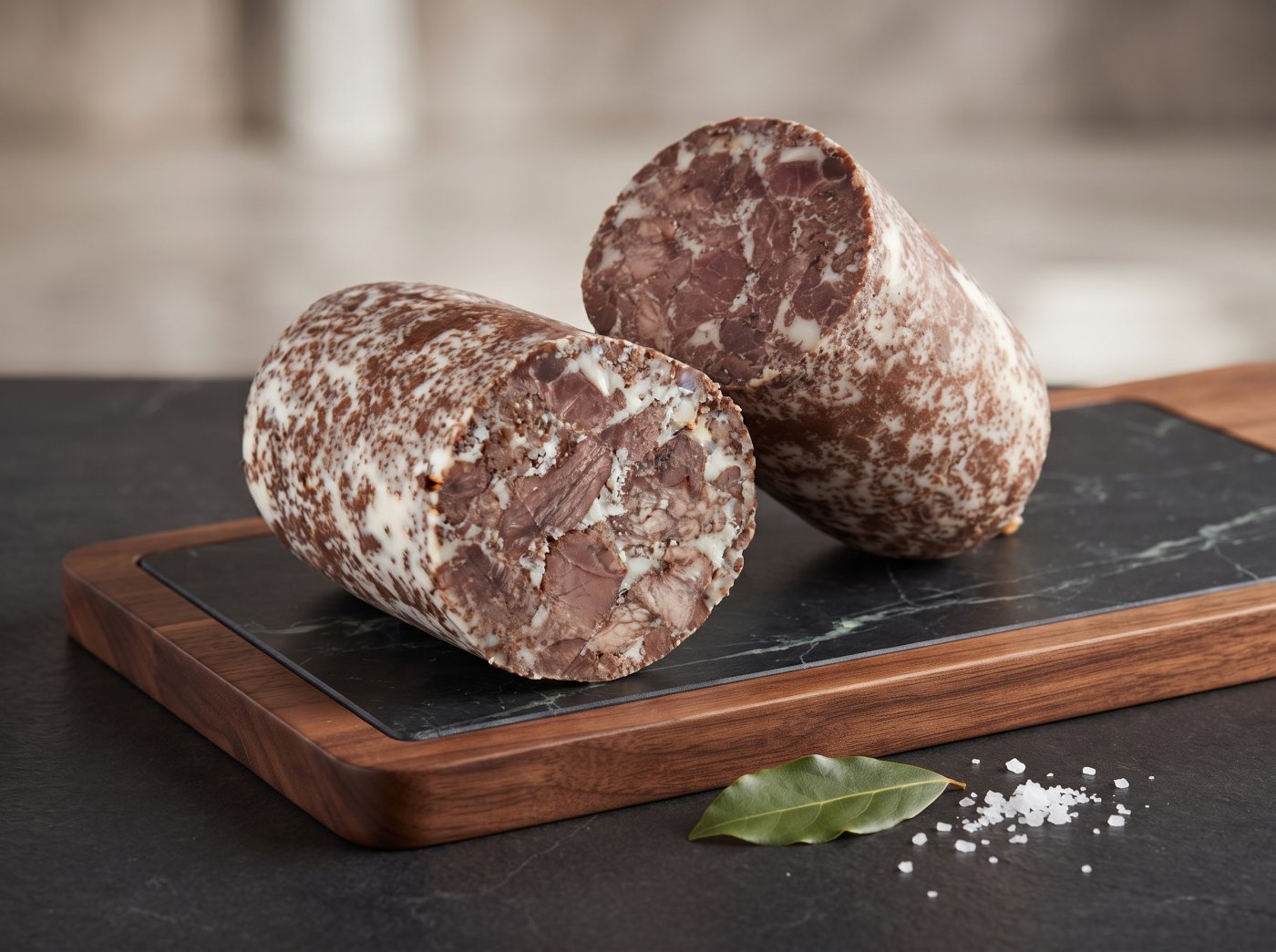
Kavurma takes its name from its method: the meat is browned in its own fat with no other fat added. That simple description is in fact a preservation technology, with several centuries of practical knowledge behind it.
How is kavurma made?
The process has four stages, and every one of them serves to drive out water.
The meat is cut into cubes and left over low heat in a heavy pan to release its own juices. In the first stage a considerable amount of liquid collects in the pan.
In the second stage that liquid slowly evaporates. The pan is not covered; the steam has to escape. Until the water is gone the meat is in fact simmering rather than browning.
The third stage begins once the water has gone. The meat's own fat has rendered, and the meat now starts to brown in it. Colour develops at the surface and the aroma builds at this stage.
The fourth stage is salting. Salt goes in towards the end rather than at the start; early salting draws the moisture out too soon and toughens the texture.
Why does the fat act as a preservative?
Kavurma keeps by two separate mechanisms, and both concern water.
The first is the removal of water. By the end of a long browning the moisture content of the meat has fallen markedly. As water activity drops, no habitable environment remains for bacteria, yeast or mould.
The second is the physical barrier the fat creates. As kavurma cools, the rendered fat solidifies and covers the meat. That layer keeps oxygen out; oxidation and airborne contamination both stop.
Together these two mechanisms let kavurma keep for months in a cool place. The moment the fat layer is broken the protection ends; in traditional practice only as much as is needed is taken from the pot and the surface is smoothed over again.
How does it differ from confit?
Both methods preserve meat in fat, but their culinary logic diverges.
| Criterion | Kavurma | Confit |
|---|---|---|
| Fat used | The meat's own | Added fat, meat submerged |
| Temperature | High, frying range | Low, 80-90 °C |
| Texture sought | Fibrous, firm, browned | Soft, parting with a fork |
| Colour | Pronounced browning | Takes no colour |
| Meat size | Cubes, small pieces | Whole pieces |
| Cultural origin | Anatolia | France |
The decisive row is temperature. In confit the aim is to tenderise without browning; in kavurma the browning is deliberately sought, because that is where the aroma comes from.
What are the regional variations?
Kavurma is made in almost every region of Anatolia, and each has developed its own interpretation.
In Kayseri the meat is cut large and browned for a long period; the result is dry and concentrated. Around Erzurum kavurma is left fattier and the proportion of fat in the pot is high.
Some regions add onion, others none at all. Onion contributes aroma but, containing water, extends the browning time and shortens shelf life; kavurma intended for long storage is made without it.
Spicing diverges as well. Traditional kavurma contains only salt; versions with black pepper and thyme are more recent and generally appear in product meant for immediate use.
What is its connection with sacrificial meat?
There is a practical reason kavurma became widespread in Anatolia. Eid al-Adha produces a large quantity of meat in a short time, and in the era before refrigeration that meat had to be preserved.
Kavurma was the answer to that problem. Meat processed in a single day could be eaten over months. The habit of making kavurma after the holiday largely continues today, though now by preference rather than necessity.
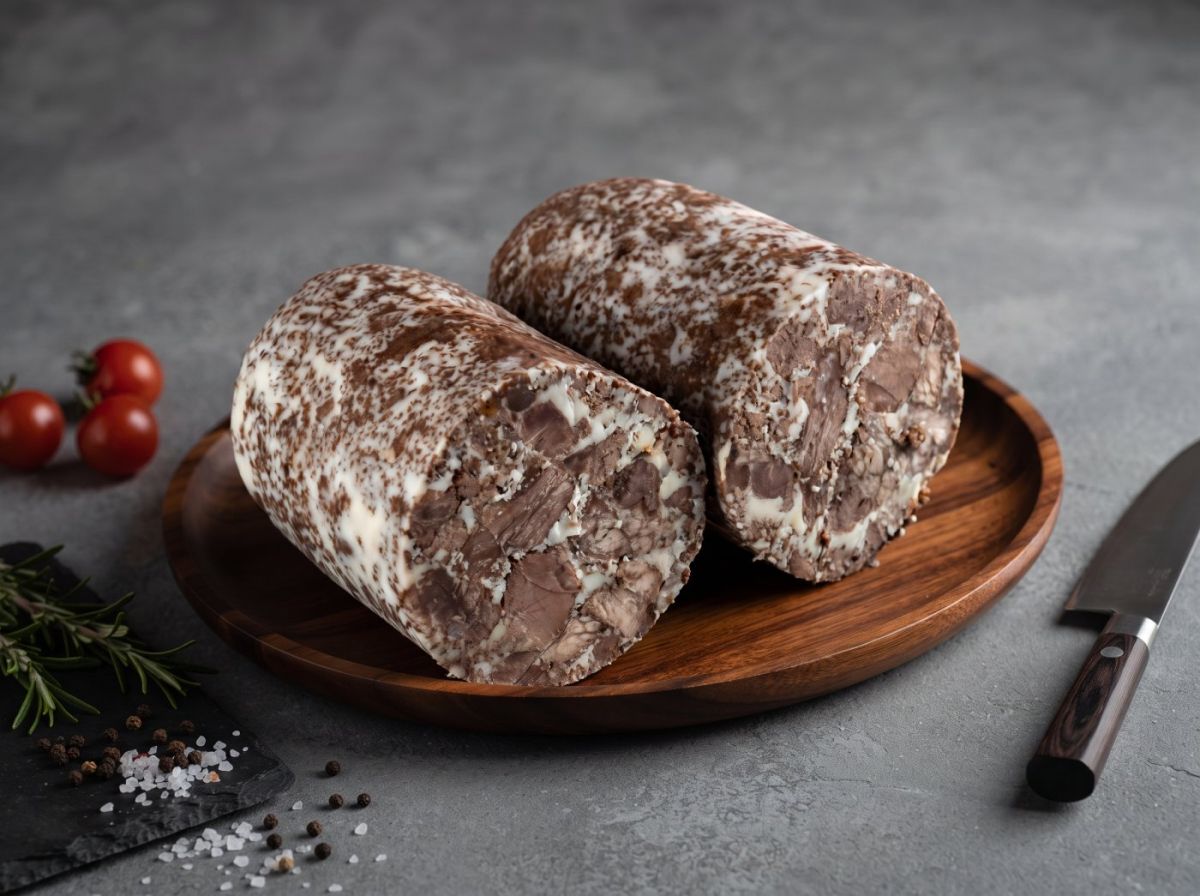
The same logic operated as part of the tradition of preparing for winter. Meat from an animal slaughtered in autumn was browned, packed into earthenware and used through the cold months.
What does block kavurma offer a business?
Industrially produced block kavurma solves three problems at once in professional kitchens.
The first is time. Preparing kavurma takes hours; a ready product reduces that to nothing.
The second is consistency. In hand-browned meat the degree of cooking varies from batch to batch; in an industrial product every batch is the same and the menu standard holds.
The third is waste calculation. Cooking loss in raw meat approaches thirty per cent and it varies. In a browned product the loss has already occurred; portion cost is known precisely.
Against that, block product carries a constraint: spicing and degree of browning were decided in production, and the kitchen's room to intervene is limited.
Where is kavurma used in the kitchen?
Because kavurma is already cooked, it is a component that shortens preparation time.
Its most widespread use is at breakfast with eggs; it is heated in a pan and eggs are cracked over it. Kavurma over rice is the second classic use.
Used within a dish, kavurma lends quick depth to a recipe that would otherwise need long cooking. It appears this way in bean and chickpea dishes, casseroles and mantı sauce.
It also suits fillings for börek and pide; because the product is already cooked and its water driven off, it does not soak the pastry. That is a distinct advantage over raw mince.
What should you watch when reheating?
Kavurma is already cooked; reheating is only a matter of temperature. Holding it over high heat for a long time dries the meat and toughens its fibres.
The correct method is to heat the pan over medium heat, add the kavurma with its own fat and stir for a few minutes. Once the fat has melted and the meat is hot, the job is done.
There is no need to add fat and it is usually harmful; the product is already rich, and added fat makes the plate heavy.
Frozen kavurma can go into the pan without thawing, but in that case it should be covered and heated gently; otherwise the outside dries while the centre stays cold.
How should kavurma be stored?
Traditional storage packs kavurma with its own fat into a sealed vessel kept in a cool place. The protection lasts as long as the fat layer is intact.
Kavurma kept in a refrigerator lasts around two weeks. In a freezer it holds its quality for up to six months; being high in fat, it resists freezer burn better than other meat products.
Freezing in portions is the most practical approach. When the quantity for a single use is packed separately, the remaining product never has to be thawed and refrozen repeatedly.
A sour smell developing at the surface indicates the fat has oxidised, and the product should not be eaten. This is the earliest and most reliable sign of spoilage in kavurma.
