


Tahini Swirl Bun 235 g (Raw Frozen)
In a tahini bun the tahini is not mixed into the dough; it is spread as a thin layer over the rolled-out dough, which is then rolled up with it. During rolling the tahini folds over itself layer by layer and forms an interlocking spiral in section.
The result of that method is both visual and textural. The tahini layer keeps the sheets of dough from bonding completely; when the bun is torn those layers separate and the interior shows. The taste is not uniform either — the plain dough and the tahini layer arrive in turn, and the intensity changes with every bite.
Shelf life and storage conditions
- Shelf Life
- 1 year
- Storage Conditions
- Store at -18 °C. Once thawed, do not refreeze.
Please contact us for pricing. (professional kitchen / wholesale)
Why Choose This Product?
- The tahini is not mixed into the dough but spread over it and rolled in.
- During rolling it folds over itself layer by layer, forming a spiral in section.
- The tahini layer keeps the sheets from bonding, so the layers separate when the bun is torn.
- Plain dough and tahini layer arrive in turn, changing the intensity with every bite.
Where To Use It
- Breakfast tables and hotel buffets
- With tea and coffee
- Bakery and café displays
- Office and meeting catering
- Catering and event service
- Household use
Wholesale Ordering & Storage
With rolled buns the section is part of the sale; keeping one halved example in the display explains what the product is. Store at -18 °C. Once thawed, do not refreeze. Shelf life: 1 year.
Frequently Asked Questions
Is the tahini mixed into the dough?
No. It is spread as a thin layer over the rolled-out dough, which is then rolled up with it.
Why do the layers separate?
The tahini layer keeps the sheets of dough from bonding completely, so they separate when the bun is torn.
How should it be displayed?
So the section is visible. A halved example explains what the product is.
Similar Products
You May Also Like
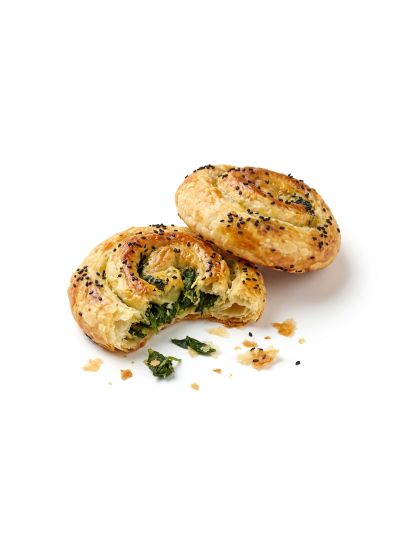
The common problem with boreks sold from a display is that from the outside they all look alike. The customer learns which borek holds which filling only from the label; unread, the choice is made at…
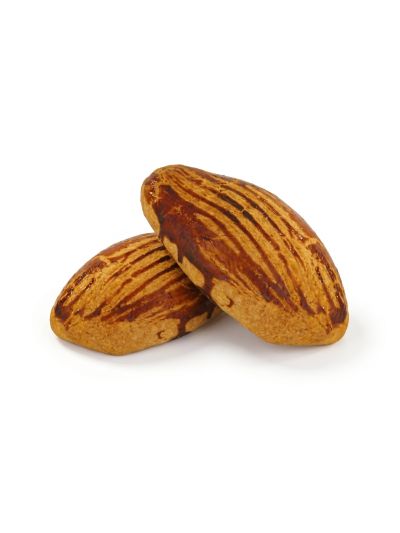
Bakery sales do not follow a single curve through the day. The early-morning peak falls away and a second, smaller wave comes in the afternoon. Starting a new production batch for that second wave is…
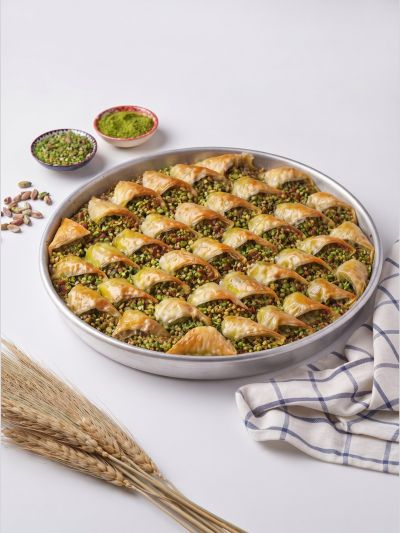
Pistachio Sobiyet (First Class, Baked Frozen)
The difficulty of offering baklava on a restaurant dessert menu is defining the portion. A single cut piece is too small on its own and two or three are placed side by side; that both scatters the pr…
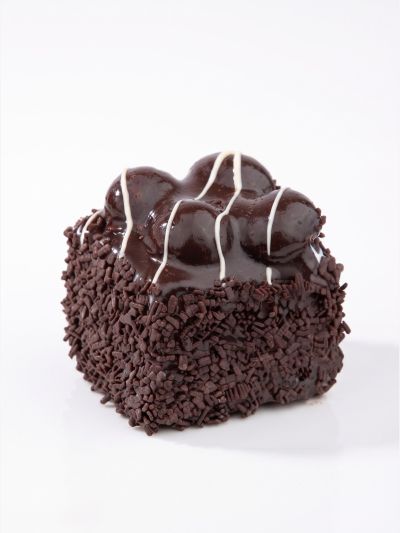
Most cake slices are built from horizontal layers and sit on the plate with a flat top. That looks tidy but ordinary, so pastry chefs add sauce, fruit or shards of chocolate to strengthen the present…