


Plain Acma 100 g (Raw Frozen)
What separates açma from poğaça is not the filling but how the dough is worked. Poğaça dough is kneaded and shaped in one piece, while açma dough is oiled, folded and opened again; that process leaves thin layers of fat inside the dough.
During baking those layers separate, and the product pulls apart in strands when broken by hand. The name comes from that — açma means dough that is opened out. The result is lighter and more pliable than poğaça, with layers felt in the bite; in the plain version that texture appears at its purest, interrupted by no filling.
Shelf life and storage conditions
- Shelf Life
- 180 days
- Storage Conditions
- Store at -18 °C. Once thawed, do not refreeze.
Please contact us for pricing. (professional kitchen / wholesale)
Why Choose This Product?
- The dough is oiled and folded before opening, forming thin layers of fat inside.
- Those layers separate during baking and the product pulls apart in strands.
- It gives a lighter, more pliable texture than poğaça, felt layer by layer.
- In the plain version the texture is interrupted by no filling and appears at its purest.
Where To Use It
- Breakfast tables and hotel buffets
- Served with tea
- Bakery and café displays
- School and institutional canteens
- Catering and meeting service
- Household use
Wholesale Ordering & Storage
With layered doughs the oven air governs the texture directly; enough space must be left between pieces on the tray for the layers to separate. Store at -18 °C. Once thawed, do not refreeze. Shelf life: 180 days.
Frequently Asked Questions
What is the difference between acma and pogaca?
How the dough is worked. Açma dough is oiled, folded and opened out; poğaça dough is shaped in one piece.
Why does it pull apart in strands?
The folding leaves thin layers of fat inside the dough, and those layers separate during baking.
How should it be laid on the tray?
With enough space between pieces. The oven air has to reach the surface for the layers to separate.
Similar Products
You May Also Like
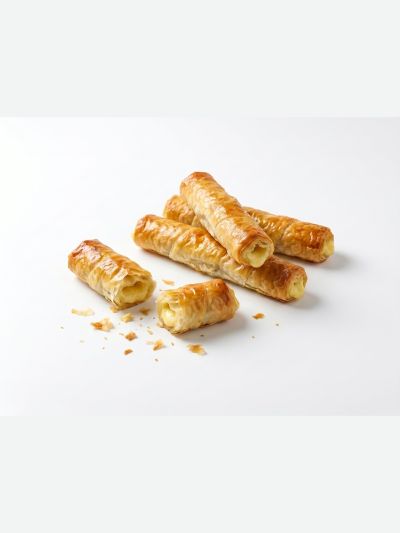
Rolled borek is a format designed to produce standard portions. The pastry is cut to the same width, the filling is weighed in and the piece is rolled up; every unit comes out at the same weight and …
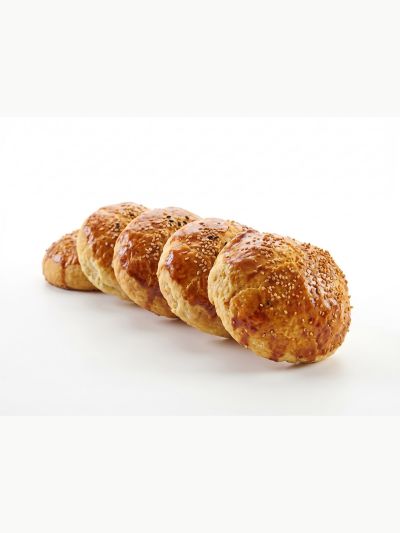
Water is a carefully managed component in cookie dough. Too much develops gluten and the product hardens; too little produces a texture that falls apart after baking and reads dry in the mouth. The r…
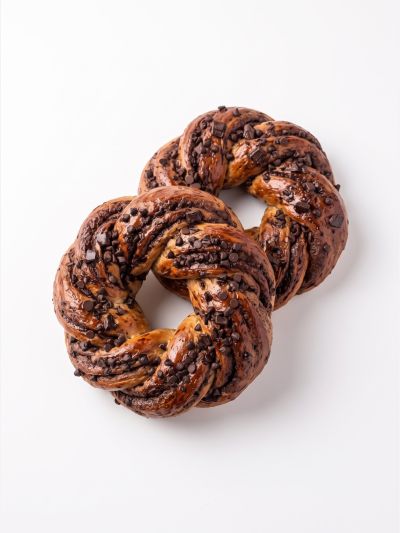
The success of a catering table depends less on variety than on balance. A table made up only of savoury items becomes monotonous after a while; guests do not want a second item of the same profile a…
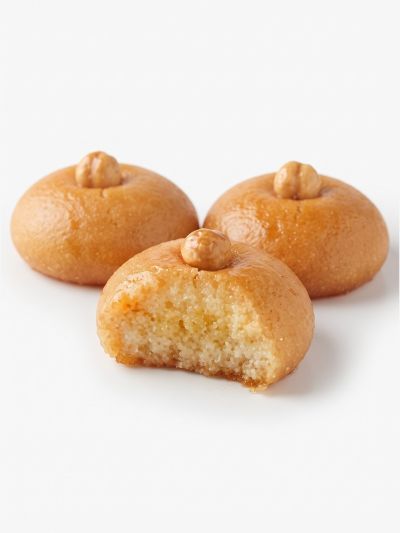
Sekerpare (Baked Frozen)
Making a syrup dessert requires two separate skills: baking correctly and preparing the syrup correctly. In the syrup, the sugar-to-water ratio, the boiling time and the temperature difference all ch…