


Smoked Cured Beef 1200 g
Cured beef is, as the name suggests, a product whose water content has been reduced. When water is drawn from meat, everything that remains — protein, salt, aroma compounds — gathers into a smaller volume at the same mass. The result is a far more concentrated taste at the same weight.
That concentration also determines how it is used. Cured beef is not cut thick; it is sliced into thin, almost translucent pieces and used sparingly. A few slices on a charcuterie board deliver more flavour than a thickly cut roast. In terms of cost per portion, that means the gram weight stays small.
Shelf life and storage conditions
- Shelf Life
- Production and best-before dates are printed on the packaging.
- Storage Conditions
- Store between 0 °C and +4 °C with the cold chain maintained. After opening, keep refrigerated in a sealed container.
Please contact us for pricing. (professional kitchen / wholesale)
Why Choose This Product?
- With reduced water content the flavour is far more concentrated at the same weight.
- Sliced thin and used sparingly, keeping portion weight low.
- A few thin slices deliver more flavour than a thickly cut roast.
- Its low water content makes the texture markedly firmer than the other smoked meats.
Where To Use It
- Charcuterie boards and wine service
- Aperitifs and canapés
- On salads
- Breakfast plates
- Pasta and risotto garnish
- Butcher and deli counters
Wholesale Ordering & Storage
An item used sparingly; planning by slice count rather than by kilo gives the correct quantity. With a low water content its shelf behaviour differs from the other smoked meats. Store between 0 °C and +4 °C with the cold chain maintained. After opening, keep refrigerated in a sealed container.
Frequently Asked Questions
Why does it need to be sliced thin?
With low water content the flavour is very concentrated and the texture firm. A thick slice is both hard to chew and overpowering.
How does it differ from the other smoked meats?
The drying step. In the others the water is largely retained; in cured beef it is deliberately reduced, which changes both taste and texture.
How much should go on a plate?
Little. A few thin slices are enough; its intensity would otherwise overwhelm the other components.
Similar Products
You May Also Like
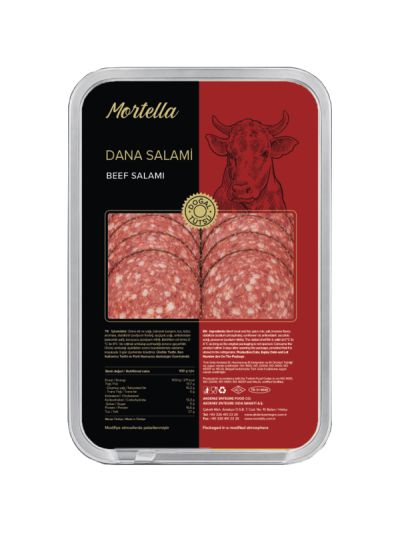
Salami separates most sharply from the sliced range on numbers: 17.7 g of fat per 100 g, roughly seven times that of beef roast. That gap is not a fault but the definition of the product — in salami …
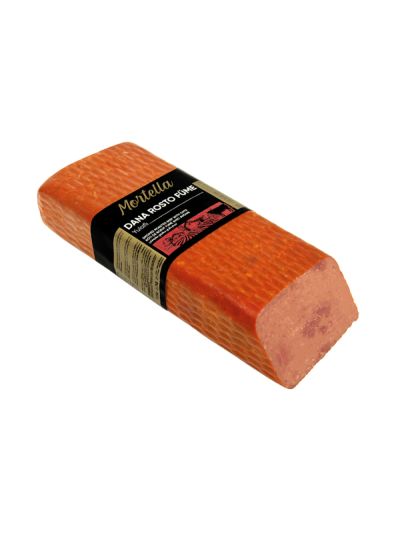
The oat coating is applied to the outer wall of the log. That makes the coating's behaviour independent of slice thickness: however thin or thick the log is cut, the frame stays the same width. On a …
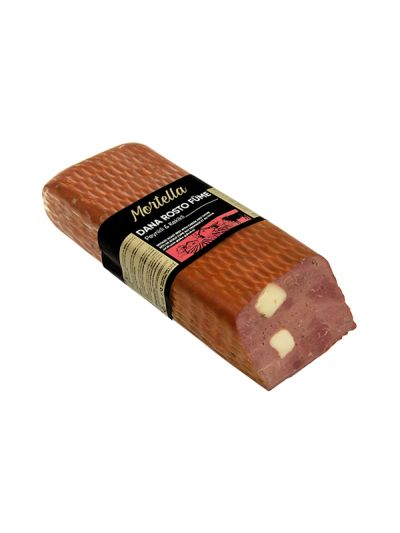
In this product the cheese and thyme sit inside the meat rather than on its surface. In log form that detail gains importance, because what reveals the pattern is the act of slicing itself; until the…
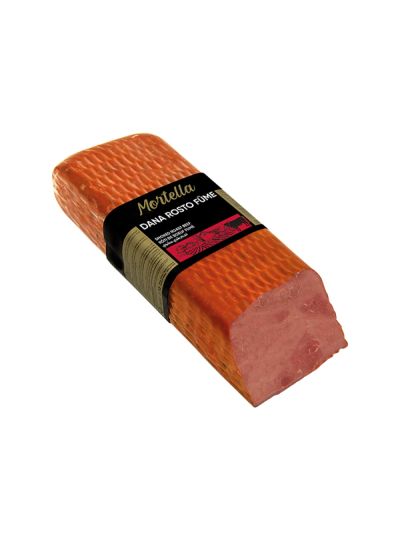
A log is an unsliced whole roast carrying the same recipe as the sliced product. The difference lies in the buying logic: a sliced product buys ready portions, while a log leaves the slicing decision…