


Almond Biscotti (Gluten-Free)
Almond biscotti is the oldest form of this biscuit in Italy; in the classic recipe whole or broken almonds go into the dough, and slicing cuts through them so they appear in the cut face. The result is a biscuit carrying a different pattern in every slice.
The almond's role is not only visual. As a hard-shelled kernel it keeps its own texture inside the dough, adding a second layer of resistance against the biscuit's uniform firmness. Its high oil content also gives the biscuit a mouthfeel that does not read as dry.
Shelf life and storage conditions
- Shelf Life
- 1 year
- Storage Conditions
- Store in a cool, dry place away from direct sunlight.
Please contact us for pricing. (professional kitchen / wholesale)
Why Choose This Product?
- Produced close to the original classic biscotti recipe, which contains almonds.
- Broken almonds are cut during slicing, so every slice carries a different pattern.
- The almond keeps its own texture inside the dough, adding a second layer of resistance to the bite.
- The oil content of almonds gives the biscuit a mouthfeel that does not read as dry.
Where To Use It
- With coffee and espresso
- Café and patisserie shelves
- Hotel room amenities
- Gift and box presentation
- Gluten-free shelves
- Office refreshment points
Wholesale Ordering & Storage
Carrying two flavours from one family increases shelf presence; placed side by side, the raisin and almond options represent the category more strongly. Store in a cool, dry place away from direct sunlight. Shelf life: 1 year.
Frequently Asked Questions
How does it differ from the raisin version?
The almond is a hard kernel that keeps its own resistance in the bite, while raisins give a soft contrast. The two offer different texture experiences.
Why is it considered the classic?
The oldest form of biscotti in Italy is the recipe containing almonds, and this product is made close to that original.
Should I carry both?
You can. Two flavours side by side represent the category more strongly and give the shopper a choice.
Similar Products
You May Also Like
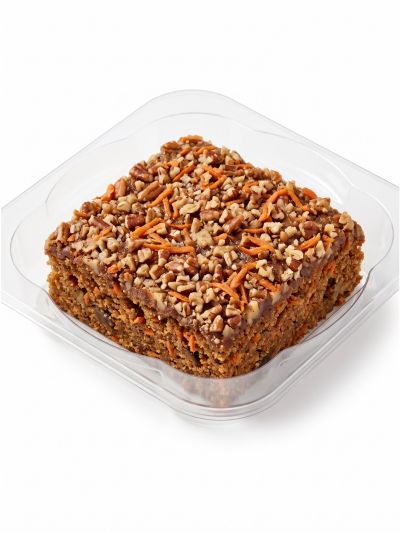
The most common complaint about gluten-free cakes is dryness. Wheat flour holds water and keeps some of it after baking; alternative flours cannot fully imitate that behaviour and the cake reads as d…
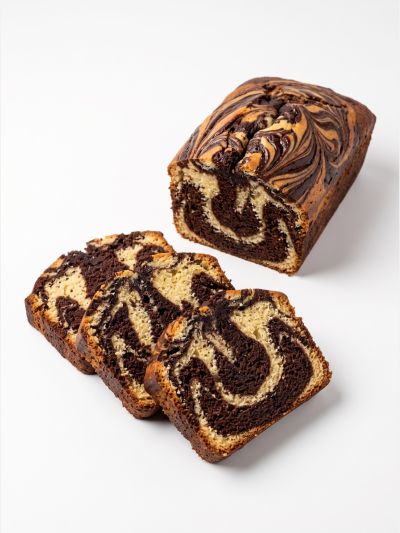
The pattern of a marble cake is not decoration but the result of a production step. Two separate batters, vanilla and cocoa, are poured into the tin and turned only a few times with a stick; stirred …
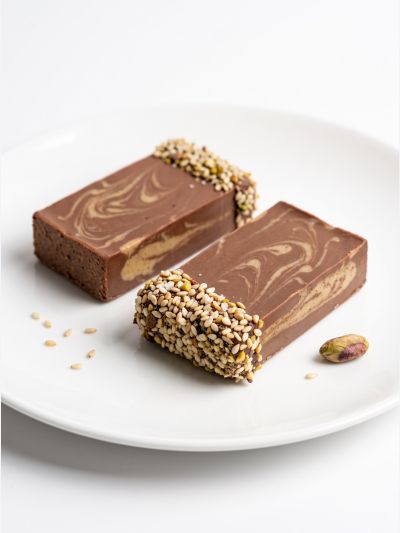
There is a technical reason tahini and chocolate work together: both are fat-based structures. A water-containing ingredient added to chocolate will not hold and separates, whereas tahini, made from …

The layered bar is a technique of its own in dessert production. Each layer is prepared at a different temperature and consistency, poured one over another and set by chilling; the layers must stay s…