


Fresh Peanut Bar 65 g (Gluten-Free)
The difference between the packaged and fresh versions of the same product is not the recipe but the method of preservation. The packaged item is made at low moisture for a long shelf life and its texture firms up; the fresh one is made to retain its moisture and shipped in the frozen chain.
That creates a clear difference for the consumer. The fresh peanut bar offers a softer, more chewable bite and suits plated service in a café display. The packaged version is designed to travel on a shelf and in a bag. The two are not competitors but the answers to different sales channels.
Shelf life and storage conditions
- Shelf Life
- 6 months frozen (-18 °C) · 15 days after thawing
- Storage Conditions
- Keep frozen at -18 °C. Once thawed, store at +4 °C and consume within the stated shelf life.
Please contact us for pricing. (professional kitchen / wholesale)
Why Choose This Product?
- Made to retain moisture and shipped frozen, so the texture stays soft.
- It offers a more chewable bite than the packaged version.
- It suits plated service in a café display.
- It does not compete with the packaged version; the two answer different sales channels.
Where To Use It
- Café and patisserie displays
- Dessert with coffee
- Gluten-free dessert menus
- Between-meal snacking
- Takeaway and online sales
- Office refreshment points
Wholesale Ordering & Storage
Listing the fresh and packaged versions together feeds two channels at once: display sales come from the fresh item and shelf sales from the packaged one. Keep frozen at -18 °C. Once thawed, store at +4 °C and consume within the stated shelf life. Shelf life: 6 months frozen (-18 °C) · 15 days after thawing.
Frequently Asked Questions
How does it differ from the packaged version?
Not in the recipe but in preservation. The packaged item is made at low moisture and firms up; the fresh one retains moisture and is shipped frozen.
Does it make sense to list both?
It does. Display sales come from the fresh item and shelf sales from the packaged one, feeding two channels at once.
How is it served?
Plated after thawing. Its soft texture suits service with coffee.
Similar Products
You May Also Like
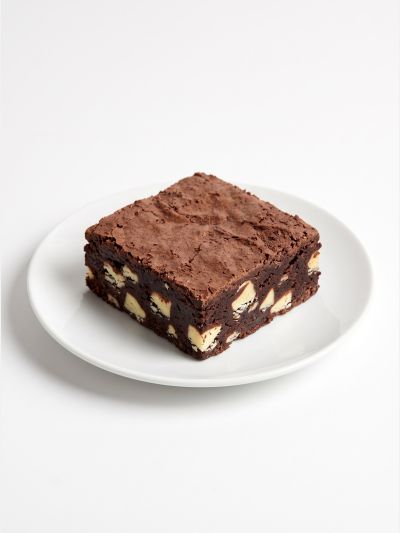
The hardest task in gluten-free baking is imitating rise and elasticity; light structures such as bread and sponge depend on gluten's network. Brownie falls outside that list: its recipe already aims…
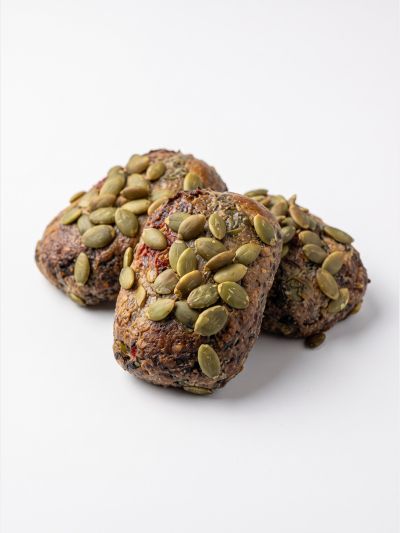
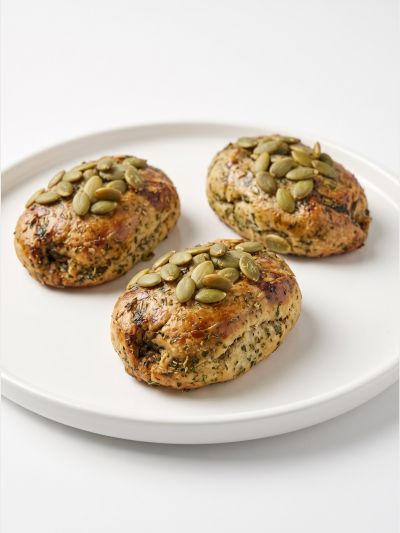
The core technical problem of gluten-free baking is binding. In wheat dough, gluten builds an elastic network that holds everything together; without that network the mixture falls apart easily and t…

A café selling cake carries two cost lines: the cake itself and the slicing. A business buying whole cakes cleans the knife between slices, loses the first and last cut to waste, and leaves slice siz…
In the cookie world, thickness is not a preference but a consequence of the recipe. As the fat proportion rises, the cookie spreads further in the oven; a thin, wide structure forms and sets fully by…