


Smoked Beef Tongue 1000 g
Beef tongue is a familiar ingredient in classical cooking, yet it is rarely seen on menus. The reason is not taste but labour: fresh tongue requires long boiling, peeling the outer skin while hot and careful cleaning. Those steps demand experienced staff and time.
Ready smoked tongue removes that barrier. The product arrives cleaned and cooked, and the only kitchen task is slicing. A classical meze can therefore go on the menu independently of staff experience — which is how smaller businesses gain access to this product.
Shelf life and storage conditions
- Shelf Life
- Production and best-before dates are printed on the packaging.
- Storage Conditions
- Store between 0 °C and +4 °C with the cold chain maintained. After opening, keep refrigerated in a sealed container.
Please contact us for pricing. (professional kitchen / wholesale)
Why Choose This Product?
- The cleaning and boiling labour is already done; the only kitchen task is slicing.
- It needs no experienced staff, putting a classical meze within reach of small kitchens.
- The time and waste risk of fresh tongue disappears.
- A 1000 g size is a sensible starting quantity for low and mid-turnover outlets.
Where To Use It
- Meyhane and meze plates
- Cold starters
- Charcuterie boards
- Sandwich fillings
- Butcher and deli counters
- Household use
Wholesale Ordering & Storage
Consumption of classic meze fluctuates seasonally; the order plan should treat busy and quiet months separately. Store between 0 °C and +4 °C with the cold chain maintained. After opening, keep refrigerated in a sealed container.
Frequently Asked Questions
Why is it rarely seen on menus?
Fresh tongue requires long boiling, peeling the skin while hot and careful cleaning. In a ready smoked product those steps are complete.
How much work does it create in the kitchen?
Slicing only. The product arrives cleaned and cooked.
Is it suitable for a small kitchen?
Yes. With no preparation labour it needs no experienced staff, and the 1000 g size suits low-turnover outlets.
Similar Products
You May Also Like
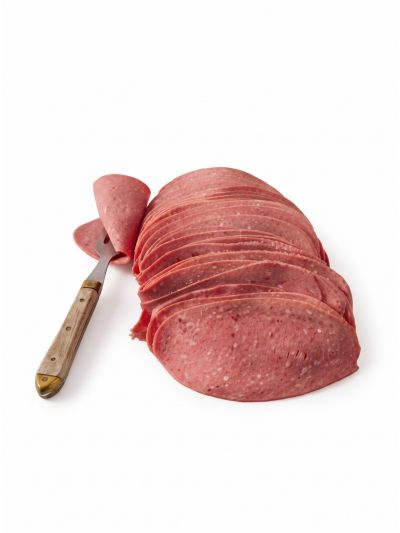
The Spanish and Hungarian salami traditions use the same spice — paprika — in different ways. In the Hungarian tradition the pepper takes a sweetish, colouring role, while the Spanish tradition favou…
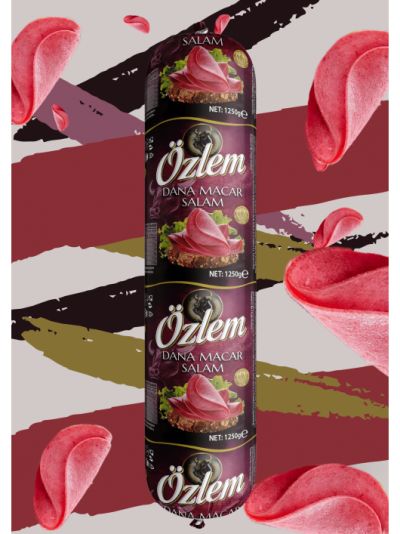
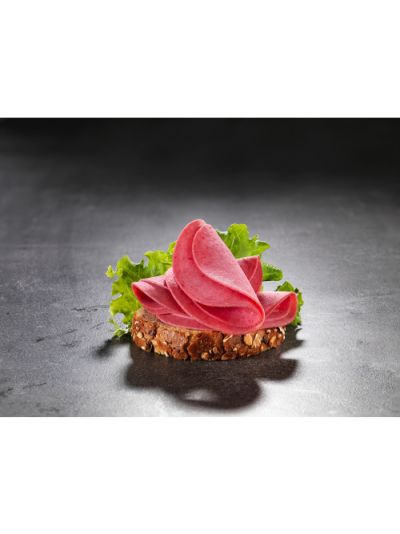
Every kitchen has two kinds of ingredient: specials whose consumption fluctuates, and staples that go out in the same quantity every day. Hungarian salami is the second kind — it appears regularly on…
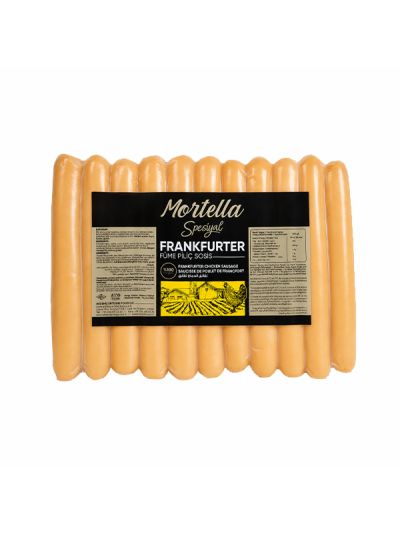
The word special marks a positioning here: a higher tier within the same sausage family. Pack size and the way it is used match the standard frankfurter; the difference lies in the recipe. That makes…
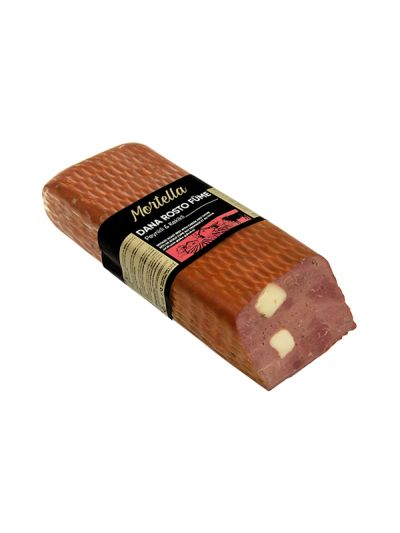
In this product the cheese and thyme sit inside the meat rather than on its surface. In log form that detail gains importance, because what reveals the pattern is the act of slicing itself; until the…