


Seeded Cracker (Gluten-Free)
The difference between a cracker and a cookie is not only thickness. Cookie dough carries a high proportion of fat and sugar, producing a soft texture that crumbles in the bite; in a cracker the fat is kept low, and the thinly rolled dough hardens as it bakes into a crisp structure.
That structure defines where crackers are used. They can carry a topping without breaking, which is why they are served with cheese, dips and meze. The seeds sit both on the surface and within the dough, adding a different point of texture to every bite.
Shelf life and storage conditions
- Shelf Life
- 1 year
- Storage Conditions
- Store in a cool, dry place away from direct sunlight.
Please contact us for pricing. (professional kitchen / wholesale)
Why Choose This Product?
- Made with a lower fat content than a cookie; the thinly rolled dough crisps as it bakes.
- It carries a topping without breaking and is served with cheese and dips.
- Seeds sit on the surface and within the dough, adding a different texture point to every bite.
- The crisp structure offers a texture option usually missing from gluten-free shelves.
Where To Use It
- With cheese and dips
- Meze and aperitif service
- Beside soup
- Gluten-free shelves
- Cocktail catering
- Office and household snacking
Wholesale Ordering & Storage
A cracker is a product served with something on top; positioned alongside cheese and dip categories its sales rate rises. Store in a cool, dry place away from direct sunlight. Shelf life: 1 year.
Frequently Asked Questions
What is the difference between a cracker and a cookie?
Fat content and thickness. A cookie is high in fat and sugar and crumbles; a cracker keeps fat low and the thin dough crisps as it bakes.
Can it carry a topping?
Yes. The crisp structure is strong enough to hold cheese, dips and meze.
Where should it sit on the shelf?
Positioned near the cheese and dip categories, its sales rate rises.
Similar Products
You May Also Like
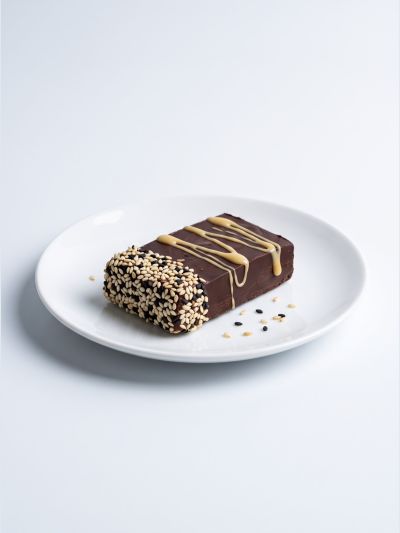
It is rare for one product to satisfy two dietary choices at once. Gluten-free and vegan shelves mostly serve different customer groups, and few products sit in the intersection, because most gluten-…
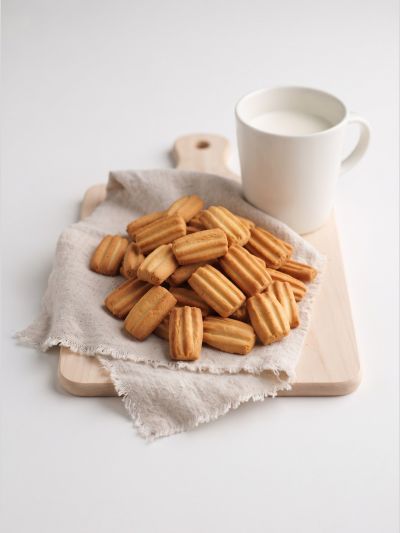
During weaning, families choose products with great care; the ingredient list is read line by line and nothing unfamiliar is accepted. Where there is coeliac disease in the family or a doctor has rec…
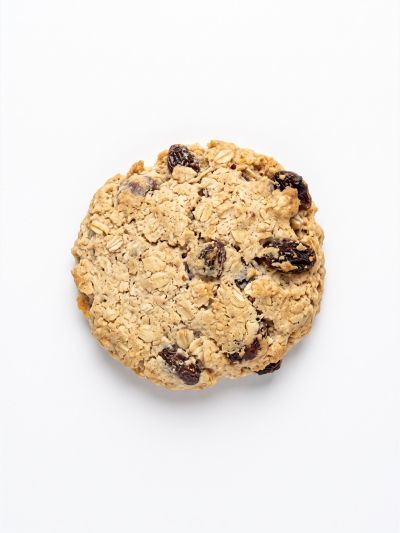
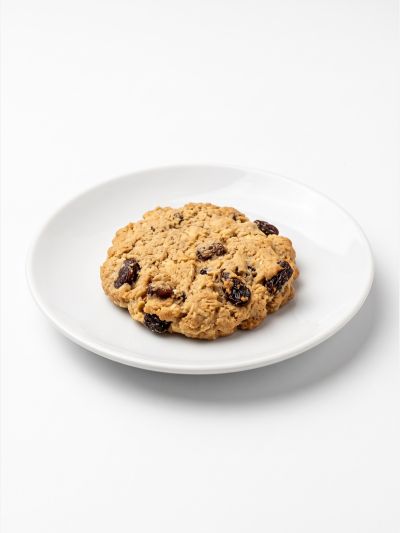
The gym and post-activity channel has its own rules within the snack category. Here the consumer chooses by the composition label rather than by taste; the information on the pack is at the centre of…
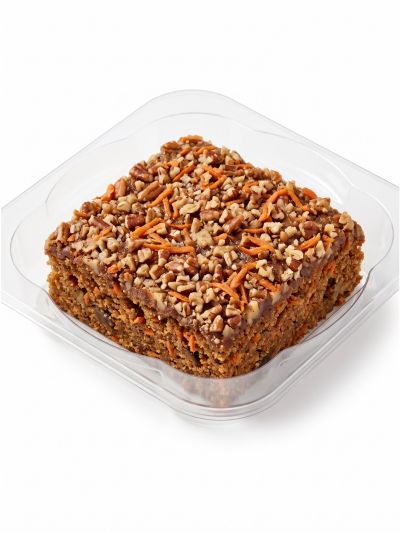
The most common complaint about gluten-free cakes is dryness. Wheat flour holds water and keeps some of it after baking; alternative flours cannot fully imitate that behaviour and the cake reads as d…