


Catalog
All Products
285 products listed

In the Italian sausage tradition the seasoning is built around fennel, garlic and black pepper, which separates it from mildly profiled sausages such as the frankfurter. A pronounced spice means the …
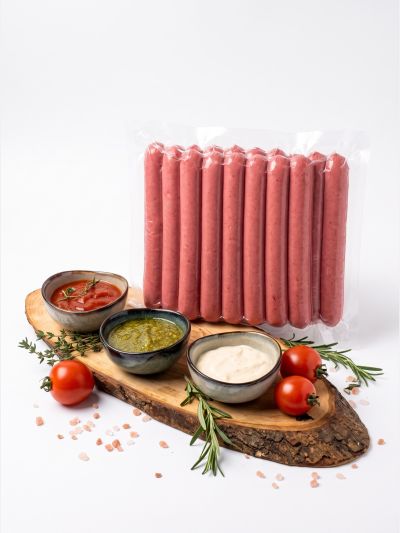
There are two kinds of ingredient in a kitchen: those visible on the plate and those that disappear into the sauce. For visible ingredients shape, colour and the neatness of the slice matter; for tho…
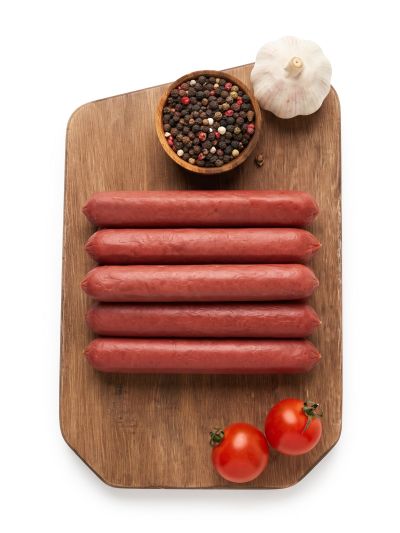
The long sausage is a format designed for grilling and serving in bread. As length increases, the surface meeting the grill bars grows, which means more grill marks and more even heating. A short sau…
The most critical measure for a stand serving on the move is the number of seconds spent per customer. Every step that requires weighing, cutting or counting lengthens the queue, and as the queue gro…
A frankfurter is a sausage made from a meat emulsion. Meat, fat and water are brought together under controlled conditions into a smooth mixture; filled into a fine casing, that mixture gives a homog…
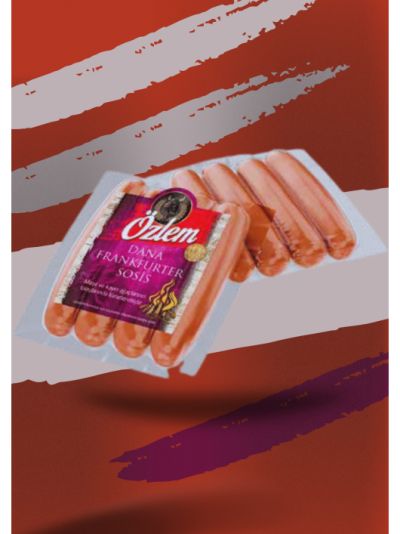
In family restaurants a child's order is a risk line of its own. When a child does not like it the plate comes back, something else is made, the cost doubles — and the whole table's experience suffer…
The fundamental difference between bratwurst and frankfurter is how finely the meat is ground. In a frankfurter the meat is worked into an emulsion and fully homogenised; in a bratwurst it is coarsel…
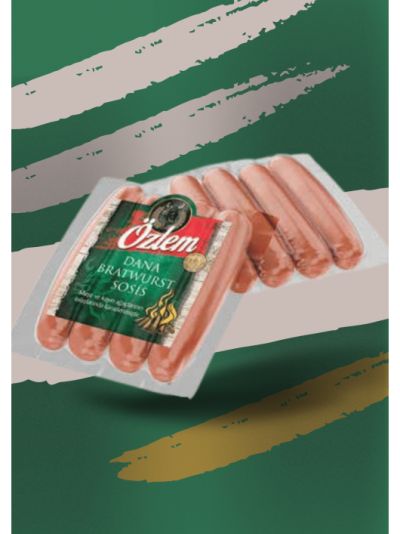
On a menu, a product's name does as much work as the recipe. A line reading simply 'sausage' is perceived as generic, while a name belonging to a known culinary tradition positions the product; the g…
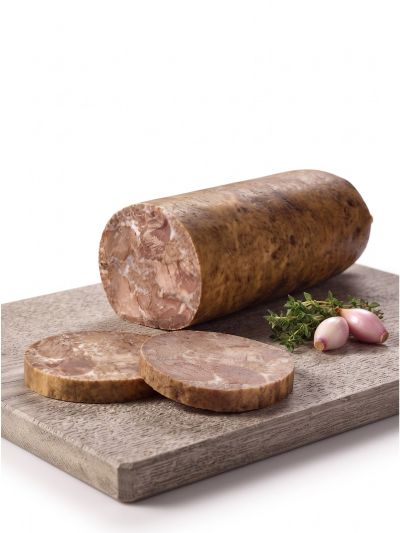
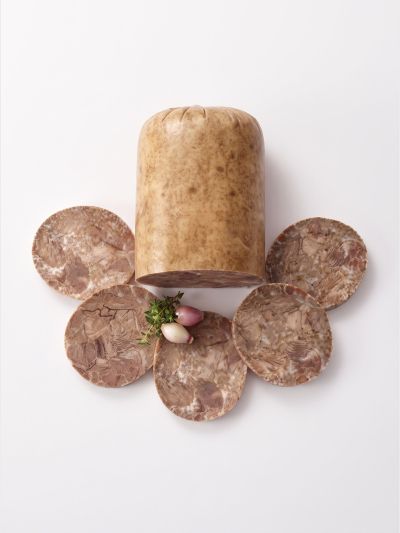
Kavurma is a preserving method developed in a time without refrigeration. The meat is cooked long in its own fat, loses most of its water and is then kept within the rendered fat; the fat cuts off co…
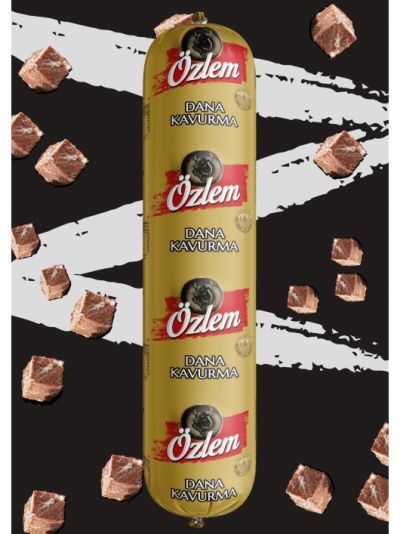
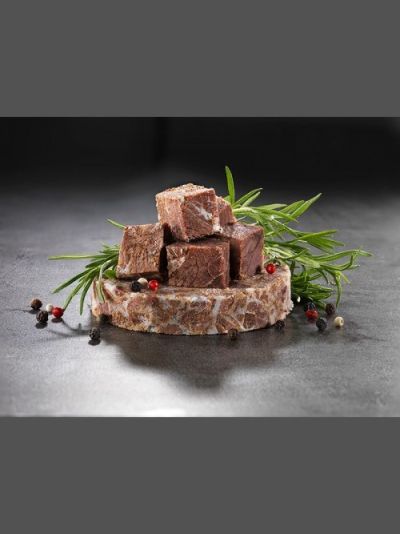
The number of stock lines is one of a kitchen's invisible costs. Every additional line means a separate order, a separate shelf position, separate date tracking and a separate waste risk. Ingredients…
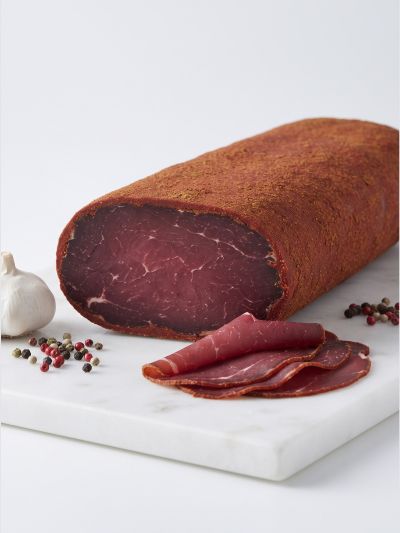
Pastirma production has three stages: salting, drying and coating with cemen. Salt draws water from the meat, drying completes that process, and the cemen — a paste of fenugreek, garlic and paprika —…
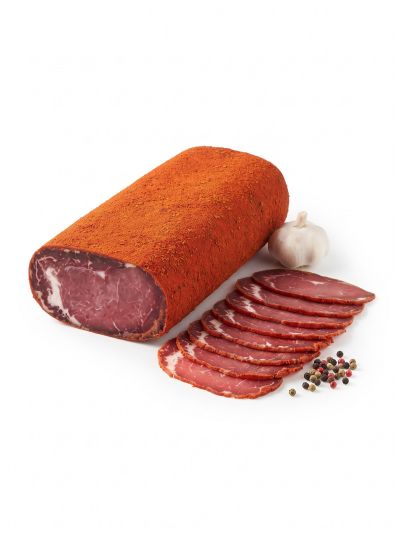
The demand for some products is not steady across the year. Pastirma is the typical case: consumption rises in the winter months, when bean stews and hot breakfast menus come to the fore, and falls m…